You’re running late for work. You press the garage door button and hear a loud bang. The door won’t move. Now you’re stuck in Blaine wondering if this is a true emergency or something that can wait.
Is a broken garage door spring or cable an emergency? In most cases, yes. This guide helps you know for sure. We’ll cover the warning signs, when it’s truly urgent, and what to do while you wait for help.
At Topline Garage Door, we serve Blaine and the entire North Metro Twin Cities area. Our technicians respond same-day for urgent spring and cable problems. We carry the parts needed to fix most issues on the first visit.
Quick Answer: Is a Broken Garage Door Spring or Cable an Emergency?
Yes, in most cases. A broken spring or cable makes your garage door unsafe to use. The door may fall suddenly, won’t open right, and can hurt someone. In Blaine, treat it as an emergency if:
Your car is trapped inside and you need it for work or school
The door is stuck open, creating a security risk
You see frayed cables or a spring with a visible gap
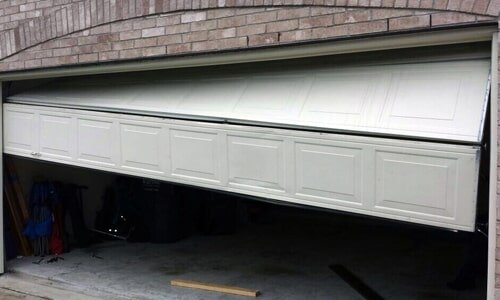
The door fell or slammed shut without warning
Do not use the door until a technician checks it. Call Topline Garage Door for same-day service in Blaine and the North Metro area.
How to Tell If Your Garage Door Spring or Cable Is Broken
Before you decide if it’s urgent, you need to know what’s wrong. Here are the clear signs of a broken spring or cable.
Listen for a loud bang.
Springs break under high tension. When they snap, you often hear a loud sound like a gunshot. Many Blaine homeowners hear this from inside the house.
Try lifting the door by hand.
Disconnect the opener first. If the door feels very heavy, the spring is likely broken. A working spring lifts most of the door’s weight.
Look at the spring above the door.
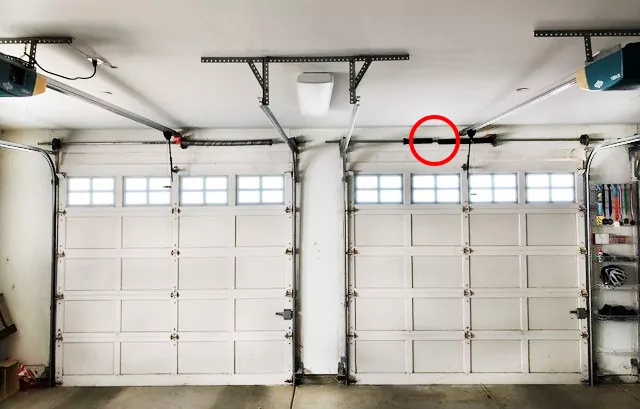
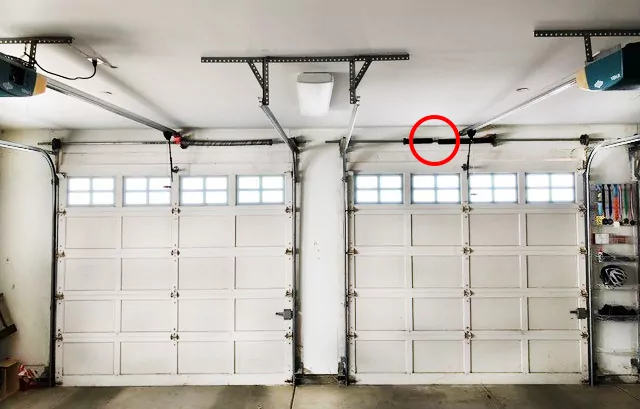
A torsion spring runs along a metal bar above your door. If you see a gap in the coil, the spring is broken. Some homes have extension springs on the sides. These hang loose when broken.
Check the cables.
Look for fraying, kinks, or cables hanging loose. Cables that slip off the drum are also a problem.
Watch how the door moves.
Does it open a few inches then stop? Does it slam down fast when closing? Both point to spring or cable failure.
Local note: Minnesota’s cold winters stress garage door parts. Temperature swings cause metal to expand and contract. This weakens springs over time. Blaine homeowners often see springs break on cold mornings when metal is most brittle.
When a Broken Spring or Cable Is a True Emergency
Not every broken spring needs a midnight repair call. But some situations can’t wait. Here’s how to tell the difference.
Call right away if:
Your car is trapped and you need it now. If you must get to work, a medical appointment, or pick up kids from school, waiting isn’t an option.
The door is stuck open. An open garage is a security risk. Anyone can walk in. Your home, car, and belongings are exposed.
The door fell or slammed shut. If the door dropped suddenly, someone could have been hurt. The same thing could happen again.
You smell burning or see sparks. This means your opener is straining hard. It could overheat or fail completely.
Bad weather is coming. If your door won’t close and a storm is on the way, your garage could flood or freeze.
Local note: Many homes in Lexington and Circle Pines have detached garages. A stuck-open door on a detached garage creates even bigger security concerns. Thieves can access tools and equipment without being seen from the house.
What You Can Safely Do While Waiting for Repair
You’ve called for help. Now what? Here are safe steps to take while you wait for your technician.
DO
DON’T
Keep children and pets away from the door
Don’t try to open or close the door under tension
Take photos or video for the technician
Don’t park your car under a partially open door
Disconnect the opener (only if door is closed)
Don’t pull the release cord on an open door
Clear the area around the door
Don’t try to fix the spring or cable yourself
How to disconnect your opener safely:
Make sure the door is fully closed first
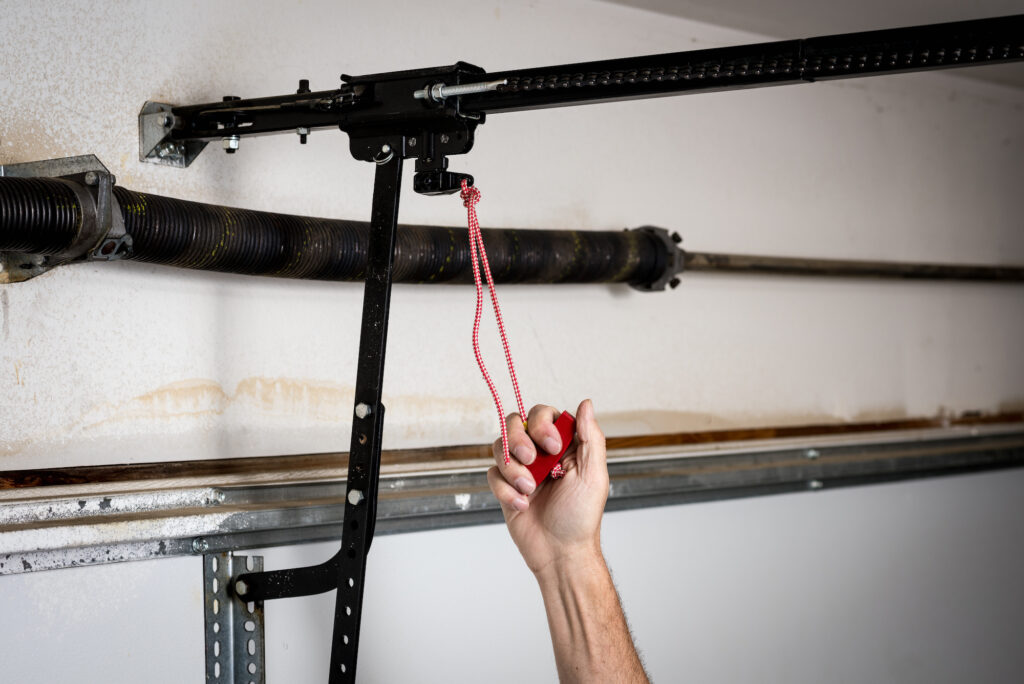
Find the red emergency release cord hanging from the opener track
Pull the cord down and toward the opener
The trolley will release and the door can move freely
Warning: Never pull the release cord if the door is open or partially open. Without spring tension, the door could crash down.
Local note: Homes in Ham Lake and Lino Lakes often have heavy insulated doors. These doors weigh more and create extra danger when springs fail. Never try to force these doors by hand.
Why You Should Not Fix a Broken Spring or Cable Yourself
You might think a DIY repair will save time and money. But garage door springs are one of the most dangerous home repairs. Here’s why the pros should handle this job.
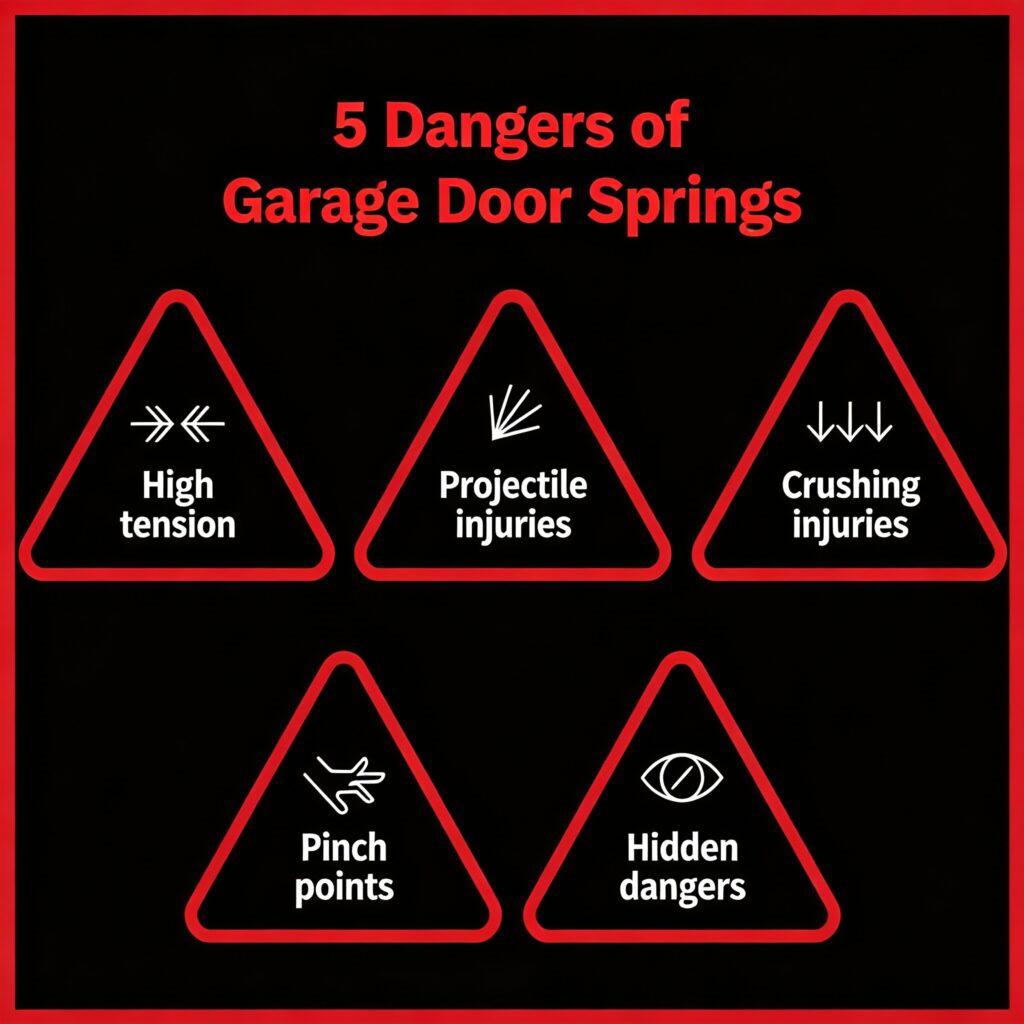
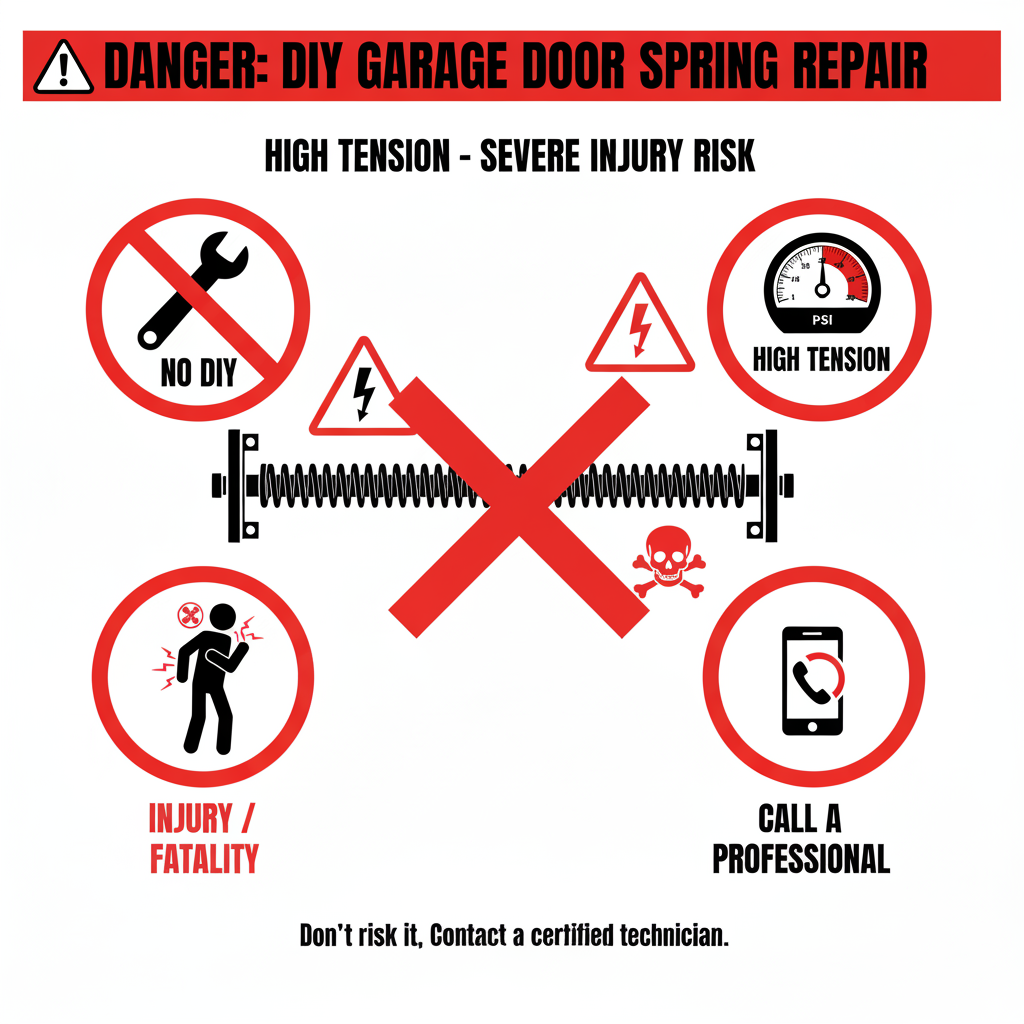
Springs hold extreme tension. A torsion spring stores enough force to lift a door weighing hundreds of pounds. If it releases suddenly, it can cause serious injury.
DIY repairs cause thousands of injuries each year. Emergency rooms treat garage door injuries every day. Many involve springs that were wound or unwound wrong.
Wrong repairs make things worse. Installing the wrong spring size damages your opener. Improper cable tension wears out other parts faster.
You need special tools. Technicians use winding bars, vise grips, and calibration tools. Most homeowners don’t have these. Using the wrong tools is dangerous.
Local note: Big-box stores in the North Metro sell replacement springs. But they don’t provide the winding bars or safety gear needed to install them. Buying the part is easy. Installing it safely requires training and experience.
Common Questions About Emergency Garage Door Repair
How fast can I get emergency spring repair in Blaine or surrounding area?
Topline Garage Door offers same-day and evening appointments for urgent calls in Blaine and the North Metro area. Most repairs take about an hour.
Is a snapped garage door cable an emergency?
es, if the door is off-balance, stuck open, or could fall. A broken cable makes the door unpredictable and dangerous.
Can I open my garage door manually with a broken spring?
You can try, but the door will be very heavy. Most people can’t lift it safely. Forcing it can cause injury or damage the door.
Should I disconnect my opener if the spring breaks?
Only if the door is fully closed. Pulling the emergency release on an open door is dangerous. The door could crash down.
Will waiting to fix a broken spring damage my opener?
Yes. Without spring support, the opener works much harder. This shortens its life and can burn out the motor.
Does homeowners insurance cover garage door storm damage in Minnesota?
Many policies cover wind or hail damage. Check your declaration page before filing a claim. Normal wear and tear is usually not covered.
Need Emergency Garage Door Help near Blaine?
If your spring or cable is broken and you’re not sure what to do, Topline Garage Door is here to help. We serve Blaine, the North Metro, and surrounding communities including Lexington, Circle Pines, Ham Lake, Lino Lakes, Coon Rapids, and Spring Lake Park.
Our promise to you:
Same-day service for urgent repairs
Trained technicians who prioritize safety
Fully stocked trucks with common parts
Clear answers before we start any work
Call us now or request service online. We’ll get your garage door working safely again.
Your garage door is one of the largest and heaviest moving parts of your home—and the springs are what make it all work. Garage door springs carry the immense weight of the door (often 150-250 pounds or more), allowing it to open and close smoothly thousands of times per year.
But like any mechanical component, garage door springs don’t last forever. The average torsion spring is rated for about 10,000 cycles—that’s roughly 7-10 years for most households. When these springs begin to fail, they don’t just cause inconvenience; they can create serious safety hazards and lead to expensive secondary damage to your garage door opener, cables, and door panels.
The good news? Failing springs usually give warning signs before they break completely. By learning to recognize these symptoms early, Central Minnesota homeowners can schedule a professional garage door spring replacement before getting stuck with a door that won’t open—or worse, one that comes crashing down.
In this comprehensive guide, we’ll cover the seven telltale signs that your garage door springs are on their way out, explain the critical safety reasons why this isn’t a DIY repair, and show you exactly what to do if you spot these warning signs.
7 Warning Signs Your Garage Door Springs Are Failing
1. Your Garage Door Feels Unusually Heavy
One of the earliest and most common indicators of worn garage door springs is when your door suddenly feels much heavier than usual. Your springs are designed to counterbalance the weight of the door, making it easy to lift manually or with minimal effort from your opener.
Try this simple test: Disconnect your garage door opener by pulling the manual release cord (the red handle hanging from the trolley). Then try lifting the door manually about halfway. A properly balanced door should stay in place when you let go. If the door feels like it weighs a ton, slams back down, or slowly drifts closed, your springs have lost their tension and need professional attention.
2. Visible Gaps in Your Torsion Spring
Look up at the torsion spring mounted horizontally above your garage door (when closed). A healthy spring is a tightly wound coil with no visible spaces between the coils. If you notice a gap—even a small one—it means the spring has snapped or is on the verge of breaking.
A gap of 1-2 inches in the spring is a clear sign of a broken garage door spring. This is an immediate red flag. Do not attempt to operate your door if you see this, as the remaining tension in a partially broken spring can be extremely dangerous. Contact a professional garage door technician right away.
3. Loud Bang from the Garage
Did you hear a loud bang or snap coming from your garage, almost like a firecracker or car backfiring? This startling sound is often the telltale sign of a garage door spring breaking. The tremendous tension stored in these springs releases all at once when they snap, creating that distinctive explosive sound.
If you heard this sound and now your door won’t open properly (or at all), a broken spring is almost certainly the culprit. This situation requires immediate professional service—never try to force the door open or use the opener repeatedly, as this can cause additional damage to your garage door system.
4. Garage Door Opens Unevenly or Gets Stuck
Most two-car garage doors use two springs working in tandem. When one spring weakens or breaks while the other is still functional, you’ll notice your door opening crooked or jerky. One side may lift faster than the other, or the door may get stuck partway up.
This uneven operation puts severe stress on your garage door tracks, hinges, and opener—components that weren’t designed to compensate for spring failure. Continuing to operate your door in this condition can lead to bent tracks, stripped gears in your opener, and even cable derailment.
5. Your Garage Door Opener Is Straining
Your garage door opener is designed to guide the door and provide a small amount of lifting assistance—not to do all the heavy lifting. When springs lose their tension, your opener has to work much harder than intended.
Signs that your opener is straining include slower-than-normal operation, grinding or humming noises, the motor running but the door barely moving, or the opener stopping mid-cycle due to the safety features kicking in. If left unchecked, this extra stress will significantly shorten your opener’s lifespan—and a new garage door opener costs considerably more than spring replacement.
6. Cables Are Loose, Frayed, or Hanging
The garage door cables work in conjunction with your springs to safely lift and lower the door. When a spring breaks or loses tension, the cables often become loose, tangled, or even snap under the sudden change in load.
Take a look at the cables running along the sides of your door. They should be taut and neatly wound on the cable drums at the top. If you see slack cables, fraying strands, or cables hanging loose, this indicates either a spring failure or cable wear that needs immediate professional repair. Damaged cables are a serious safety hazard and should never be ignored.
7. Rust and Visible Wear on Springs
Central Minnesota winters are tough on garage door components. The combination of cold temperatures, road salt tracked into garages, and humidity fluctuations accelerates rust and corrosion on garage door springs.
Inspect your springs periodically for signs of rust (orange or reddish discoloration), pitting, or flaking metal. Severely rusted springs are weakened and much more prone to sudden failure. While light surface rust can be addressed with proper lubrication during regular maintenance, heavy corrosion is a sign that replacement is in your near future.
Understanding Torsion Springs vs. Extension Springs
Not all garage door springs are created equal. Understanding which type of spring system your garage door uses can help you better identify problems and communicate with your repair technician.
Torsion Springs
Location: Mounted horizontally above the closed door
How they work: Use torque (twisting force) to lift the door
Lifespan: 10,000-20,000 cycles (7-14 years)
Best for: Heavier doors, smoother operation, greater durability
Safety: Contained on shaft when they break
Extension Springs
Location: Mounted along the horizontal tracks on each side
How they work: Stretch and contract to counterbalance door weight
Lifespan: 5,000-10,000 cycles (4-7 years)
Best for: Lighter doors, lower ceilings, budget installations
Safety: Can fly dangerously if they break (safety cables recommended)
Why Garage Door Spring Replacement Is NOT a DIY Job
We understand the appeal of DIY projects—they can save money and provide a sense of accomplishment. However, garage door spring repair is one of the most dangerous home maintenance tasks and should always be left to trained professionals. Here’s why:
Extreme Tension = Extreme Danger
Garage door torsion springs are wound under tremendous tension—enough force to lift a 200+ pound door thousands of times. When this tension is released uncontrollably, the spring can spin violently or fly off the shaft at high speed. Emergency rooms across the country see serious injuries and even fatalities each year from amateur garage door spring repair attempts.
Specialized Tools and Training Required
Professional garage door technicians use specialized winding bars, proper safety equipment, and undergo extensive training to safely handle spring replacement. The tools required aren’t typically available at hardware stores, and without proper training, even having the right tools won’t keep you safe.
Precise Calculations Matter
Springs must be precisely matched to your door’s weight, height, and track configuration. Installing the wrong spring—or winding it incorrectly—can result in a door that won’t stay open, slams shut unexpectedly, or puts dangerous stress on other components.
⚠️ WARNING: Attempting DIY garage door spring repair puts you at risk of severe injury or death. This is not an exaggeration—it happens every year.
What to Do If You Notice These Warning Signs
If you’ve identified one or more of the warning signs above, here’s what to do next:
Stop using the door: If you suspect spring failure, avoid operating the door with the automatic opener. Continued use can cause additional damage to the opener, cables, tracks, and door panels.
Disconnect the opener: Pull the red manual release cord to disconnect the door from the opener. This prevents accidental activation.
Keep the area clear: Keep children, pets, and vehicles away from the garage door until it’s been inspected and repaired by a professional.
Call a professional: Contact a reputable garage door repair company like Topline Garage Door Co. for prompt, safe repair service.
Central Minnesota’s Trusted Garage Door Spring Experts
For over 20 years, Topline Garage Door Co. has been helping Central Minnesota homeowners with all their garage door needs—including emergency garage door spring replacement. As a family-owned business, we understand the importance of fast, reliable service when your garage door isn’t working properly.
Why Choose Topline Garage Door Co.?
Same-day service available: We know a broken garage door is an urgent problem. We offer 30-60 minute response times and same-day repairs.
24/7 emergency service: Springs don’t break on a convenient schedule. We’re available around the clock, 365 days a year.
5-year parts and labor guarantee: We stand behind our work with one of the best warranties in the industry.
Lifetime warranty on cables and rollers: We use quality parts that last.
BBB Accredited with A+ Rating: Our reputation speaks for itself with hundreds of 5-star Google reviews.
Honest, upfront pricing: No hidden fees or surprise charges. We provide free estimates before any work begins.
How to Extend the Life of Your Garage Door Springs
While springs will eventually wear out regardless, proper garage door maintenance can help extend their lifespan and catch problems before they become emergencies:
Lubricate springs twice yearly: Apply a silicone-based garage door lubricant (not WD-40) to your springs in spring and fall. This reduces friction and prevents rust.
Perform the balance test annually: Disconnect your opener and manually lift the door halfway. If it doesn’t stay in place, your springs may need adjustment.
Visual inspection: Check springs monthly for rust, gaps, or wear. Early detection can prevent inconvenient (and more expensive) emergency repairs.
Schedule professional maintenance: Annual tune-ups by a qualified technician can identify worn springs and other components before they fail.
Consider high-cycle springs: If you use your garage door frequently, ask about high-cycle springs rated for 25,000-50,000 cycles.
Frequently Asked Questions About Garage Door Springs
How much does garage door spring replacement cost?
The cost of garage door spring replacement varies depending on the type of springs, door size, and whether one or both springs need replacement. Most residential torsion spring replacements range from $150-$350 including parts and labor. We recommend replacing both springs at the same time—if one has failed, the other is likely near the end of its life as well.
How long does spring replacement take?
A professional garage door technician can typically complete a spring replacement in 30-60 minutes. Our team comes prepared with a fully stocked truck, so most repairs are completed in a single visit.
Can I open my garage door with a broken spring?
While it may be technically possible to manually force open a garage door with a broken spring, we strongly advise against it. The door will be extremely heavy (150-250+ pounds) and can slam down unexpectedly, causing injury or damage. Wait for professional repair.
Should I replace one spring or both?
We always recommend replacing both springs at the same time. Springs installed together experience the same wear. When one breaks, the other is typically close behind. Replacing both ensures balanced operation and saves you from paying for two service calls.
Frequently Asked Questions About Garage Door Springs
How much does garage door spring replacement cost?
The cost of garage door spring replacement varies depending on the type of springs, door size, and whether one or both springs need replacement. Most residential torsion spring replacements range from $150-$350 including parts and labor. We recommend replacing both springs at the same time—if one has failed, the other is likely near the end of its life as well.
How long does spring replacement take?
A professional garage door technician can typically complete a spring replacement in 30-60 minutes. Our team comes prepared with a fully stocked truck, so most repairs are completed in a single visit.
Can I open my garage door with a broken spring?
While it may be technically possible to manually force open a garage door with a broken spring, we strongly advise against it. The door will be extremely heavy (150-250+ pounds) and can slam down unexpectedly, causing injury or damage. Wait for professional repair.
Should I replace one spring or both?
We always recommend replacing both springs at the same time. Springs installed together experience the same wear. When one breaks, the other is typically close behind. Replacing both ensures balanced operation and saves you from paying for two service calls.
Conclusion
Your garage door springs work hard every day, and recognizing the warning signs of failure can save you from inconvenience, safety hazards, and costly secondary damage. If you’ve noticed any of the seven warning signs we’ve discussed—a heavy door, visible gaps in springs, loud bangs, uneven operation, a straining opener, loose cables, or rust and wear—it’s time to call a professional.
At Topline Garage Door Co., we’ve been serving Central Minnesota families for over two decades with fast, reliable, and honest garage door service. Whether you need an emergency spring replacement or want to schedule preventive maintenance, our skilled technicians are ready to help.
Need garage door spring repair? Call or text Topline Garage Door Co. at (763) 784-3667 for same-day service!
Did you know wall mounted garage door openers are getting more popular? They look sleek and make less noise. Unlike old garage door openers, these have fewer parts. This makes them quieter and more durable.
For those in Blaine, MN and the surrounding area wanting a better garage door, knowing the good and bad of wall mounted openers is key!
Topline Garage Door Co. can help install these openers. Call (763) 784-3667 for a quieter, more efficient garage door system.
Key Takeaways
Wall mounted garage door openers are quieter because they have fewer parts.
They look modern and can make your garage look better.
Getting a pro to install them is best for the best results.
Topline Garage Door Co. offers expert installation services.
Think about both the good and bad before deciding.
What Are Wall Mounted Garage Door Openers
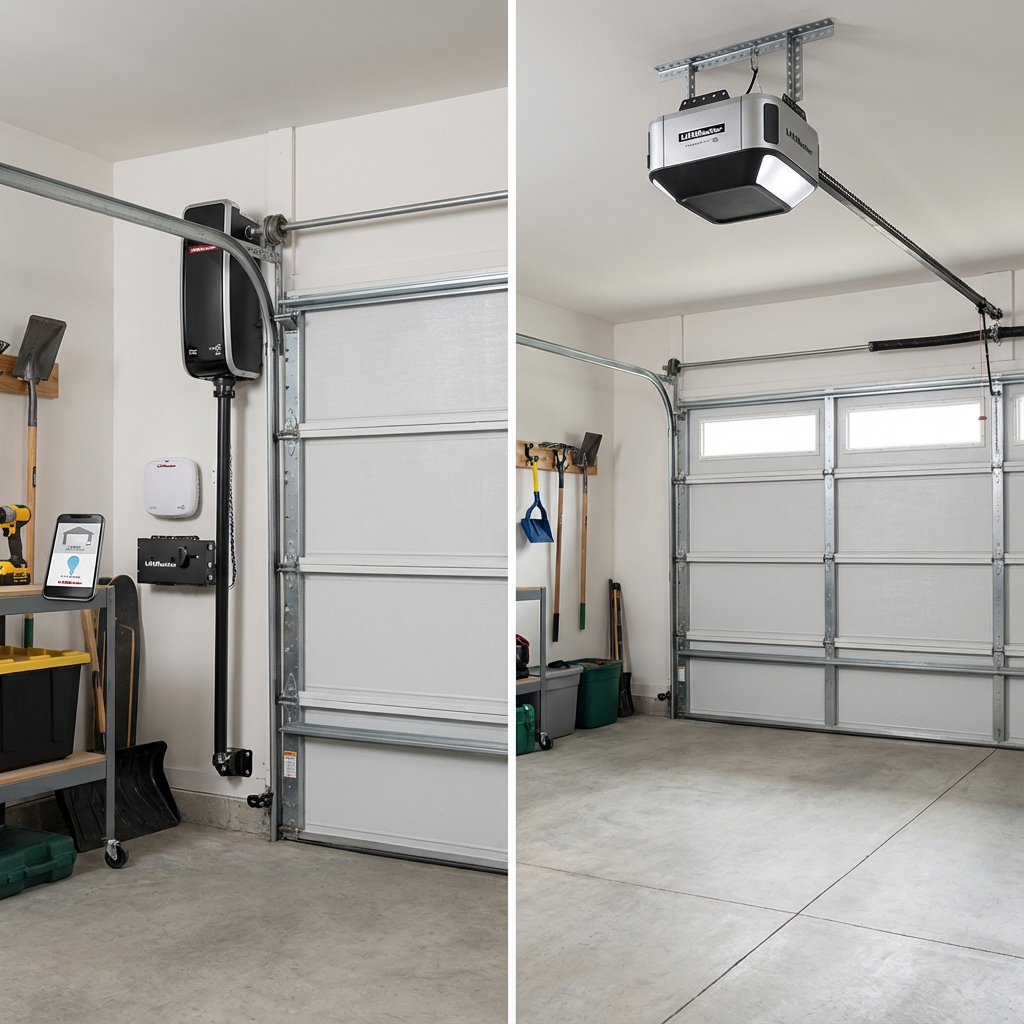
Wall mounted garage door openers are devices on the wall next to the garage door. They connect to the door’s torsion bar or shaft. This is different from traditional ceiling-mounted garage door openers.
Definition and Basic Functionality
A wall mount garage door opener saves space for garage door automation. It connects to the garage door’s torsion spring system. This makes opening and closing the door smooth and efficient.
Key Differences from Ceiling-Mounted Systems
Wall mounted and ceiling-mounted garage door openers differ in their installation and benefits. Wall mounted openers are great for garages with low ceilings. They also help save storage space.
They are often quieter than ceiling-mounted openers.
Feature
Wall Mounted
Ceiling Mounted
Installation Location
On the wall beside the garage door
On the ceiling
Space Optimization
Maximizes ceiling space
Occupies ceiling space
Noise Level
Generally quieter
Can be noisier
For more info on garage door openers, including wall mounted options, visit Topline Garage Door Co..
The Evolution of Garage Door Technology
Garage door technology has changed a lot over time. It moved from simple mechanical systems to advanced automated ones. Now, we have more convenience, safety, and efficiency.
Traditional Opener Systems
Old garage door openers were mounted on the ceiling for years. These overhead garage door openers are reliable and affordable. They work by a trolley moving on a rail, opening and closing the door.
The Emergence of Wall Mount Technology
Wall mount garage door openers are now popular. They are mounted on the wall, next to the door. This makes the garage look cleaner, without the need for ceiling stuff.
Wall mount technology shows the garage door industry’s growth. Top rated garage door openers now have cool features and better performance. As garage door opener reviews show, these new systems are changing how we use garage doors.
Major Benefits of Wall Mounted Garage Door Openers
Homeowners can make their garage better with wall-mounted garage door openers. These systems have many good points. They make the garage better to use.
Space Optimization Advantages
Wall-mounted garage door openers save ceiling space. They are put on the wall next to the garage door. This means you can use the ceiling for other things.
Increased storage capacity: You can store more things in your garage.
Improved garage aesthetics: They make your garage look better.
Noise Reduction Capabilities
Wall-mounted garage door openers are very quiet. This is great for homes where people live above or next to the garage.
Less noise pollution
They work smoothly
Advanced Safety Features
Today’s wall-mounted garage door openers have cool safety features. They have rolling code technology and automatic reversal systems.
Enhanced security: Rolling code technology stops unauthorized access.
Obstacle detection: Automatic reversal systems stop accidents by detecting obstacles.
Common Disadvantages to Be Aware Of
Wall mounted garage door openers are popular but have downsides. Knowing these can help you decide if they’re right for you.
Higher Initial Cost Factors
Wall mounted garage door openers cost more than traditional ones. Their advanced tech and design raise the price. Think about the space saved and how they look.
For those watching their budget, these openers might be too expensive. But, remember the long-term savings and less need for repairs.
Installation Challenges
Installing wall mounted garage door openers is harder than usual systems. They need to be mounted just right on the wall. This can be tough, even for DIY experts.
Compatibility Limitations with Certain Door Types
Not all garage doors work with wall mounted openers. Very heavy or big doors might not fit. Check the opener’s specs against your door’s to make sure.
Some garage door materials or designs also don’t match wall mounted openers. Talking to a pro can help find the right opener for your door.
Types of Wall Mounted Garage Door Openers
There are many wall mounted garage door openers to choose from. They make opening your garage easy, safe, and quick. They fit different garage doors and what you like.
Jackshaft Operators
Jackshaft operators go on the wall next to your garage door. They’re great for tall garages or if you need more storage.
Functionality and Design
They connect to the torsion spring for smooth, quiet opening. They’re easy to put in and fix, which is why many people like them.
Ideal Applications
They’re perfect for heavy doors or if you need extra support. They also look modern and sleek.
Direct Drive Wall Mount Systems
Direct drive systems are another option. They’re reliable, efficient, and simple.
How They Work
They use a motor to move the door directly. This means no chains or belts, so they’re quieter and smoother.
Performance Benefits
They last longer because they have fewer parts. This means less wear and tear on your door and opener.
Battery Backup Models
Battery backup models have a rechargeable battery. They keep your garage working even when the power is out.
They’re great for places with frequent power cuts or for extra security and ease.
Top Rated Wall Mounted Garage Door Opener Models
Homeowners looking for the best wall mounted garage door openers have a few top choices. These models are praised for their advanced features, reliable use, and great user experience.
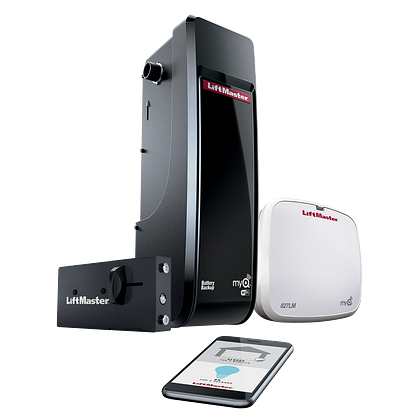
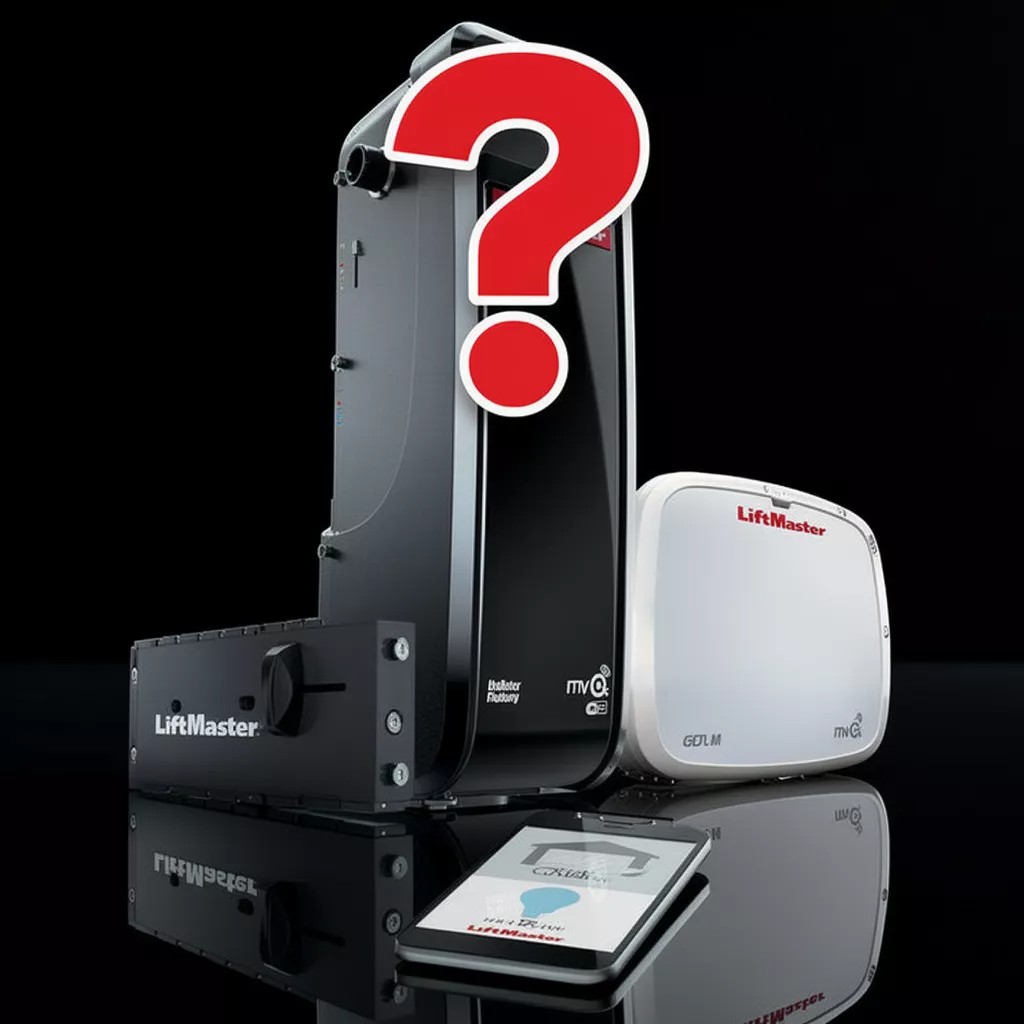
LiftMaster 8500W Elite Series
The LiftMaster 8500W Elite Series is a top pick. It’s known for its strong build and cool features. It’s a favorite among homeowners for many reasons.
Features and Specifications
Quiet Operation: This opener is very quiet, at just 67 dBA. It’s perfect for homes where quiet is key.
Advanced Security: It has a rolling code tech. This changes the code each time you use it, adding security.
Battery Backup: It comes with a battery backup. This keeps the door working even when the power is out.
User Reviews Summary
People love the LiftMaster 8500W Elite Series. They say it works great and is easy to set up. They also like its quiet and secure features.
Chamberlain RJO70 Wall Mount
The Chamberlain RJO70 Wall Mount is also a top choice. It’s known for its sleek look and cool features. It’s designed for a smooth user experience.
Key Capabilities
Smart Home Integration: It works with many smart home systems. This means you can control it with your voice or remotely.
Quiet and Smooth Operation: It’s made for quiet and smooth use. This helps your garage door last longer.
Price-to-Performance Ratio
People say the Chamberlain RJO70 is a great value. It has lots of cool features at a good price. This makes it a popular choice.
Genie StealthDrive Connect
The Genie StealthDrive Connect is a top-notch opener. It has a StealthDrive system for super quiet use. It’s perfect for those who want both performance and looks.
In summary, these top wall mounted garage door openers have many benefits. They offer advanced security, smart home features, and more. Homeowners can pick the best one for their needs and tastes.
Smart Home Integration Capabilities
Modern wall mounted garage door openers are smart. They make life easier and more controlled. Homeowners can now control their garage doors from anywhere.
Mobile App Control Systems
Smart garage door openers work with mobile apps. Apps like LiftMaster’s MyQ or Chamberlain’s MyQ let you control your garage door. This adds convenience and security.
Voice Assistant Compatibility
These openers also work with voice assistants. You can use Amazon Alexa or Google Assistant to control your garage door. It’s easy and makes your home smarter.
Advanced Security Protocols
Smart garage door openers have strong security. They use encryption and secure login. This keeps your garage door safe from unwanted access.
Ideal Users for Wall Mounted Garage Door Openers
Wall mounted garage door openers are great for modern homes. They have sleek designs and cool features. They meet the needs of many homeowners.
Homeowners with Space Constraints
These openers are perfect for homes with little ceiling space. They mount on the wall, not the ceiling. This frees up space for storage or other things.
Noise-Sensitive Environments
They’re also good for homes where quiet is key. Many of these openers are quieter than ceiling ones. This is great for homes with living areas near the garage.
Smart Home Enthusiasts
Smart home fans will love these openers. They come with cool tech like app control and voice assistant use. They make your home smarter.
Ideal User
Key Benefit
Homeowners with Space Constraints
Frees up ceiling space
Noise-Sensitive Environments
Quieter operation
Smart Home Enthusiasts
Advanced smart features
Professional Services by Topline Garage Door Co.
Topline Garage Door Co. offers top services in Blaine, MN, and nearby. They are all about quality garage door solutions.
Expert Installation in Blaine, MN and Surrounding Areas
Topline Garage Door Co. does expert installation for wall mounted garage door openers. They make it easy and fast. Their team is ready to help in Blaine, MN, and around.
Maintenance and Support Services
Topline Garage Door Co. also has maintenance and support services. They keep your garage door working well.
Regular Maintenance Programs
They have regular maintenance programs. These include:
Routine inspections to find problems early
Adjustments and repairs when needed
Preventive maintenance to make your garage door last longer
Emergency Repair Services
If you have an emergency, Topline Garage Door Co. has emergency repair services. They fix the problem fast so you can use your garage door again.
Conclusion
Wall mounted garage door openers are now a favorite among homeowners. They save space, reduce noise, and add safety features.
These systems beat traditional ceiling-mounted openers in many ways. They’re perfect for those with little space or who want a quiet garage.
They might cost more upfront and need special installation. But, their long-term benefits and extra features make them worth it.
Knowing the types of wall mounted garage door openers helps homeowners choose the right one. Options like jackshaft operators and direct drive systems are available.
Professional installers, like Topline Garage Door Co., make the installation easy and quick.
In short, wall mounted garage door openers are a smart choice for upgrading your garage. They offer reliability and efficiency.
FAQs of Wall Mounted Garage Door Openers
What are wall mounted garage door openers?
Wall mounted garage door openers are special openers for your garage. They are mounted on the wall, not the ceiling. This makes them great for saving space.
How do wall mounted garage door openers work?
These openers use a motor to open and close your garage door. You can control them with a remote or a panel on the wall.
What are the benefits of wall mounted garage door openers?
They save space, are quiet, and have safety features. These are good for homes with little ceiling space or where you don’t want noise.
Are wall mounted garage door openers more expensive than traditional openers?
Yes, they cost more. This is because they have advanced technology and design.
Can I install a wall mounted garage door opener myself?
You can try, but it’s safer to get a professional. They ensure it’s installed right.
Are wall mounted garage door openers compatible with all garage door types?
No, they might not work with all doors. Always check before you buy.
Can wall mounted garage door openers be integrated with smart home systems?
Yes, many can connect with smart homes. This lets you control them with apps or voice assistants.
What are the top-rated wall mounted garage door opener models?
Top picks include the LiftMaster 8500W Elite Series, Chamberlain RJO70 Wall Mount, and Genie StealthDrive Connect.
How do I choose the right wall mounted garage door opener for my home?
Think about your garage door, space, noise, and smart home needs. This helps you pick the best one.
What is the average lifespan of a wall mounted garage door opener?
They last about 10-15 years. This depends on how much you use it, maintenance, and its quality.
Can wall mounted garage door openers be used in cold climates?
Yes, they work in cold weather. Just pick a model made for it and follow care tips.
When a garage door emergency leaves you locked out or your home unsecured, quick, safe action matters. Topline Garage Doors provides 24/7 emergency response in the area — call Topline Garage Doors at (763) 784-3667 for fast dispatch.
This guide explains what qualifies as a garage door emergency, how to limit risk with safe temporary releases and manual actions, and when to call a professional repair service.
Key Takeaways
Recognize a door emergency quickly (won’t open/close, odd noises, stuck open).
Follow safe steps for a temporary release or manual operation until help arrives.
Call Topline Garage Doors at (763) 784-3667 for emergency repair and fast service.
Understanding What Constitutes a Garage Door Emergency
Garage door malfunctions can quickly become safety and security emergencies. Homeowners should be able to spot signs of a garage door emergency so they can act fast and reduce risk.
Common Scenarios That Qualify as Emergencies
When any of the following happen, consider it an emergency and take immediate steps to secure the area:
Door won’t open or close at all
Door is stuck partially open or is reversing unexpectedly (often tied to sensor or alignment faults)
Loud bangs, snapping noises, or grinding that suggest a broken spring or cable
Erratic operation or sudden drops that could cause injury or property damage
Why These Failures Are Dangerous
A failing door can fall, trap people or pets, or leave your home exposed to intruders. Broken torsion springs and snapped cables are particularly hazardous because they store high tension and can cause severe injury if mishandled.
Impact on Home Security and Daily Life
Beyond physical danger, a door emergency disrupts routines and can make your home vulnerable. If you encounter these symptoms, call Topline Garage Doors for 24/7 emergency repair — they can dispatch someone to your place quickly and safely.
Issue Potential Consequence
Door won’t open or close
Inaccessibility, security risk
Unusual noises
Mechanical failure, possible spring/cable break
Erratic operation
Injury from sudden movement, security breach
Regular maintenance and timely inspections help prevent many emergencies. If you need immediate assistance for a door emergency release or other urgent repairs, contact Topline Garage Doors — they handle emergency releases, opener issues, and spring problems safely and professionally.
Essential Safety Precautions Before Attempting Any Repairs
Garage doors are heavy, high-tension systems — take a moment to follow three critical safety steps before any DIY work to avoid injury or further damage.
Disconnecting Power to Your Garage Door System
Unplug the garage door opener or switch off the circuit breaker if the opener is hardwired. This prevents unexpected starts from the motor or remote while you work.
Properly Securing the Door to Prevent Accidents
Lock the door in place with C-clamps on the tracks or use a reliable locking plier to keep the door stationary. Never rely on the opener to hold the door while you’re under or near it.
Necessary Tools and Safety Equipment
Wear safety glasses and gloves and keep a basic tool kit on hand: wrenches, pliers, screwdrivers, and a sturdy ladder. These items protect you and make simple tasks — like releasing the emergency release cord or checking the opener mechanism — safer and quicker.
Note: springs, cables, and other high-tension parts are dangerous. For spring or cable problems, or if you’re unsure about a door emergency release, call Topline Garage Doors for professional emergency repair services rather than attempting repairs yourself.
Step-by-Step Diagnosis of Garage Door Emergency Issues
When a garage door emergency occurs, a quick, systematic diagnosis helps you decide whether a simple fix will work or if you need professional repair services. Follow these steps in order and stop if you see signs of high-tension failure (broken spring, snapped cable, or exposed parts)—call Topline Garage Doors immediately.
Quick Troubleshooting Checklist
Check power: ensure the opener is plugged in and the circuit breaker hasn’t tripped.
Verify remotes/keypad: replace batteries and re-test the wall switch to isolate the opener.
Inspect safety sensors: remove obstructions, clean lenses, and confirm LEDs are steady and aligned.
Look for path obstructions and debris on the track that could block travel.
Listen for unusual noises (grinding, scraping, loud bangs) that may indicate rollers, track misalignment, or a spring/ cable issue.
Test manual operation: disengage the opener using the emergency release cord and open/close the door by hand to check for balance or binding.
What Noises and Movements Usually Mean
Grinding or scraping often points to worn rollers or misaligned track; a loud bang or snapping sound commonly signals a spring or cable failure—these are dangerous and require professional intervention.
When to Stop and Call for Professional Help
If you detect a broken spring, snapped cable, exposed high-tension parts, severe track damage, or electrical/opener malfunctions, do not attempt repairs. Contact Topline Garage Doors for emergency services and safe, trained repairs.
“Regular checks and prompt repairs reduce the chance of an emergency and keep your garage door mechanism working smoothly.”
Following this ordered approach helps you identify the root cause quickly while keeping safety first. For issues you can’t confidently fix—especially anything involving springs, cords, or the opener—schedule emergency repair with trained technicians.
Quick DIY Solutions for Common Garage Door Problems
Try these quick, safe fixes before calling for professional repair. Stop and call Topline Garage Doors at (763) 784-3667 if you encounter broken springs, snapped cables, or exposed high‑tension parts.
1. Power and Remote Control
First, verify the opener has power: check the plug and circuit breaker. If remotes don’t work, replace batteries and test the wall button to isolate the issue.
Battery Replacement
Open the remote’s battery compartment.
Replace with fresh batteries (observe polarity).
Test the remote and reprogram if needed.
Reprogramming Remotes and Keypads
Follow your opener’s manual to reprogram via the “learn” button—this will often fix keypad or remote pairing problems.
2. Sensor Alignment and Cleaning
Check sensors for obstructions or dirt.
Wipe lenses with a soft cloth.
Ensure LED indicators are steady and the sensors face each other.
Proper sensor alignment prevents the door from reversing or failing to close.
3. Lubrication and Minor Roller/Track Care
Use a silicone-based garage door lubricant on rollers, hinges, and bearings. Avoid lubricants like WD‑40 that attract dirt. Tighten loose bolts and replace worn rollers to reduce noise and improve operation.
When to Stop DIY and Call a Pro
Do not attempt repairs involving springs, cables, or the torsion mechanism — these store dangerous tension. For any sign of a spring issue, loud snaps, or if the door remains off track after basic fixes, contact Topline Garage Doors for emergency repair and safe door emergency release service.
If these quick fixes don’t restore normal operation, call Topline Garage Doors at (763) 784-3667 for reliable, professional services.
Handling a Garage Door Emergency: Temporary Fixes Until Help Arrives
If a garage door emergency happens, safe temporary measures can protect your property until professionals arrive. Use only low-risk fixes and never attempt high-tension repairs.
Securing Your Property With a Disabled Garage Door
If the door will close manually, lower it carefully and secure it with C-clamps or locking pliers on the track to prevent reopening. This helps deter intruders and keeps the door from falling unexpectedly.
Safe Manual Operation Methods
Disconnect the garage door opener using the emergency release cord before any manual handling so the motor can’t start. Lift the door slowly and feel for binding or uneven weight — stop if it’s unusually heavy or jerky and call for help.
Temporary Bracing and Support Techniques
For a door that’s off-track or partially damaged, brace it with sturdy wooden beams or adjustable supports to prevent collapse. These supports are a stopgap measure to limit further damage — they are not a repair.
Makeshift Solutions for Broken Components (Use Only as a Very Short-Term Stabilizer)
Do not attempt to fix springs or replace cables yourself. Very temporary stabilizing (for example, tying a loose panel to a secure point) may reduce immediate risk, but rope or twine is only a last-resort stabilizer and must not be considered a repair.
Red-line: if you see broken springs, snapped cables, exposed high-tension parts, or significant track damage, stop and call Topline Garage Doors for emergency repair and safe door emergency release service — they can dispatch trained technicians to your place quickly.
When to Call Professional Garage Door Repair Services
Some garage door issues can be fixed quickly, but certain signs mean you should stop DIY repairs and call a professional. Getting help early prevents injury and avoids further damage to the door or opener.
Priority Warning Signs
Loud bangs or snapping sounds — possible broken spring or cable.
Door falls, jerks, or moves erratically — high risk of injury.
Opener not responding to wall switch or remote after basic checks.
Visible structural damage (cracked panels, bent track, or warped sections).
Dangerous Components: Springs, Cables, and Pulleys
Torsion springs, extension springs, cables and pulleys are under high tension — they can cause serious injury if handled incorrectly. If you suspect a spring or cable problem, do not attempt repairs; contact a trained technician.
Electrical and Opener System Malfunctions
Electrical faults or motor/opener failures often require diagnostic tools and expertise. If the opener makes unusual noises, overheats, or won’t respond after you’ve checked power and remotes, call for professional service.
Structural Damage Assessment
Cracked panels, severe dents, or bent tracks can compromise safety and security. A pro can assess whether repairs or full panel replacement is the correct course and will ensure the door remains balanced and secure.
IssueProfessional Help Required
Unusual Noises
Yes
Damaged Springs or Cables
Yes
Electrical Malfunctions
Yes
Structural Damage
Yes
If you see any of the red-flag symptoms above, call Topline Garage Doors for emergency repair and safe door emergency release service. Ask the technician about licensing, insurance, estimated response time, and warranty on parts and labor before work begins.
Emergency Garage Door Repair Services in Blaine and Surrounding Areas
Topline Garage Doors offers 24/7 emergency garage door repair for Blaine residents and nearby communities. When a garage door emergency strikes, you need a trusted team that responds quickly and handles the problem safely.
24/7 Emergency Response Available at (763) 784-3667
For immediate assistance, call Topline Garage Doors — (763) 784-3667. Their emergency dispatch is available around the clock to handle door emergency releases, spring issues, and other urgent repairs.
As a local customer put it,
“Having a reliable garage door repair service is a lifesaver — they got me back to normal fast.”
Service Coverage: Blaine, Coon Rapids, Fridley, and Nearby Communities
Topline Garage Doors serves Blaine, Coon Rapids, Fridley, and surrounding areas with prioritized emergency response and local technicians who know the neighborhood.
CityTypical Response TimeAvailability
Blaine
Typically under 1 hour
24/7
Coon Rapids
Typically under 1.5 hours
24/7
Fridley
Typically under 2 hours
24/7
What to Expect: Response, Process, and Pricing
When you call, expect prompt triage over the phone and an estimated arrival time. Technicians diagnose the issue, explain recommended repairs, and provide a cost estimate before starting work. Emergency calls may include a dispatch fee — final pricing depends on parts and labor needed.
Questions to Ask When Hiring Emergency Repair Technicians
Before hiring, confirm the technician’s licensing and insurance, ask about warranty coverage, and request an estimated response time. Good questions include:
Are you licensed and insured?
What is your typical emergency response time to my place?
Do you warranty parts and labor?
Choosing a reputable emergency services provider like Topline Garage Doors helps ensure safe repairs, proper parts, and a reliable follow-up. Call (763) 784-3667 for immediate dispatch.
Preventative Maintenance to Avoid Future Garage Door Emergencies
Regular preventative maintenance is the best way to avoid a sudden garage door emergency. Simple monthly checks and seasonal tune-ups catch small issues before they become dangerous or expensive.
Check door balance and smooth movement — does it open and close evenly?
Look for worn parts: rollers, hinges, and weatherstripping.
Test the opener’s safety features and the emergency release cord.
Lubricate rollers, hinges, and bearings with a silicone-based lubricant.
Seasonal Tips for Minnesota Weather
Spring: Clean tracks and remove debris; inspect weatherstripping.
Summer: Lubricate moving parts and test the auto-reverse feature.
Autumn: Tighten loose hardware and check door balance before cold sets in.
Winter: Check seals for ice buildup and ensure the motor and opener aren’t strained by cold starts.
What a Professional Maintenance Visit Covers
A pro will inspect springs and cables, test the opener and motor, check track alignment, tighten hardware, lubricate moving parts, and perform a safety test of the auto-reverse mechanism. Professional services extend the life of parts and reduce emergency repair needs.
Early Warning Signs That Require Attention
Unusual grinding or screeching noises
Door sticks, reverses, or struggles to open
Sagging panels or uneven alignment
Visible wear on springs, cables, or the door emergency release cord
If you spot any of these warning signs, schedule a maintenance or repair visit. Topline Garage Doors offers preventative maintenance plans and can inspect your garage door, test the motor/opener, and address torsion spring or cable concerns before they turn into a door emergency — call (763) 784-3667 to set up service.
Conclusion: Staying Prepared for Garage Door Emergencies
Preparing for a garage door emergency reduces stress, limits risk, and speeds recovery. Know the red flags (broken springs or cables, loud snaps, doors that fall or operate erratically), follow basic safety steps, and keep regular maintenance schedules to prevent many urgent problems.
If an emergency does occur, don’t hesitate—call Topline Garage Doors for 24/7 emergency repair and safe door emergency release service. Topline Garage Doors typically provides fast response in the area and will explain licensing, warranty, and estimated costs before work begins: (763) 784-3667.
FAQ
What constitutes a garage door emergency?
Any situation where the door won’t open or close, makes loud snapping or grinding noises, is stuck partially open, or shows broken springs/cables—these are emergencies because they risk injury or a security breach.
How can I temporarily fix a garage door that won’t close?
Safely try manual closing after disconnecting the opener and securing the door with clamps; for anything involving springs, cables, or severe damage, call Topline Garage Doors at (763) 784-3667 for emergency assistance.
What are the common causes of garage door malfunctions?
Typical causes include power or opener problems, misaligned or dirty sensors, worn rollers or tracks, broken springs or cables, and lack of lubrication.
Can I repair my garage door myself?
You can handle small tasks like battery replacement, sensor cleaning, or lubricating moving parts. Do not attempt spring, cable, or major opener repairs—those require professional repair services.
How often should I perform garage door maintenance?
Inspect monthly and perform seasonal maintenance (clean tracks, lubricate, test auto‑reverse). Professional maintenance once a year helps prevent emergencies.
What should I ask when hiring an emergency repair technician?
Ask about licensing, insurance, emergency response time to your place, parts and labor warranty, and whether they handle door emergency release and spring repairs safely. For 24/7 emergency services in the area, call Topline Garage Doors at (763) 784-3667.
Seal and Save: How Garage Door Weatherproofing Cuts Costs and Repairs
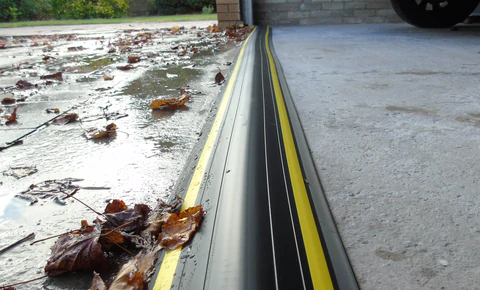
If home maintenance is on the fall checklist, weatherproofing your garage door should be at the top. Not only does garage door sealing prevent drafts and moisture from causing damage, but it also helps reduce energy bills and avoids expensive garage door repair costs down the line.
Lower Utility Bills Through Proper Insulation
Weatherstripping and sealing your garage door are proven ways to boost insulation. A well-sealed garage keeps cold air out and warm air in, making it much easier (and cheaper) to heat both the garage and adjacent rooms. The less your heater runs, the lower your monthly energy bills—a key benefit for savvy homeowners.
Stop Moisture and Pest Damage
Rain, snow, and wind can work their way into even the smallest gaps if a garage door isn’t properly sealed. This jeopardizes garage door hardware, panels, and springs, increasing the likelihood of rust, corrosion, and malfunction. Moisture also creates an inviting environment for pests, causing further damage and requiring pest control interventions. Garage door sealing is an excellent line of defense, keeping both water and critters out and your storage safe.
Extend the Life of Your Garage Door
Routine garage door maintenance, like replacing worn weatherstripping or threshold seals, prevents avoidable wear and prolongs the life of the door’s mechanical components. By investing a little time each fall in garage door weatherproofing, costly repairs linked to warped panels, rusted tracks, and misaligned rollers can be avoided. This reduces emergency repair calls—saving both time and money.
Quick, Affordable Repairs
Many garage door repair and maintenance tasks—such as installing new door seals, lubricating garage door springs, or replacing bottom seals—are low-cost and can be accomplished in an afternoon. Addressing these issues early with effective weatherproofing means there’s less chance of facing an unexpected, expensive breakdown during the depths of winter.
Enhanced Security and Comfort
Besides preventing energy loss, proper garage door sealing contributes to home security by making it harder for intruders to access gaps or pry points. Keeping drafts and noise out results in a more comfortable, quieter garage environment—especially valuable for garages that double as workshops or storage areas.
By prioritizing fall garage door weatherproofing and ongoing garage door maintenance, it’s possible to cut utility costs, extend the lifespan of door systems, reduce repair emergencies, and create a comfortable space—all with a modest investment of time and money.
Fall is the ideal time for homeowners in the Twin Cities—Minneapolis, St. Paul, and surrounding cities—to tackle important garage door tasks before the freezing temperatures arrive.
DIY Garage Door Inspection Checklist
Visual Panel Check: Visually inspect all garage door panels for signs of sagging, rust, or damage. Open the door halfway and check for alignment issues, noisy operation, or sticking points; write down any concerns for follow-up.
Sensor and Track Cleaning: Remove dust, leaves, and cobwebs from the overhead tracks and around the photo-eye sensors. Clean sensors with a soft, dry cloth to ensure the door closes reliably even on snowy nights.
Battery Refresh: Replace batteries in openers, remote controls, and keypads before winter because cold weather shortens battery lifespan.
Cold Weather Garage Door Insulation Tips
Check Current Insulation: Inspect your garage door for existing insulation. Look for gaps, worn areas, or lack of insulating material. An attached garage without proper insulation can cause significant heat loss from the home, raising heating bills and making the area uncomfortable during cold months.
Upgrade to Insulated Garage Doors: Consider installing a new insulated garage door. Premium insulated doors are available in steel, wood, and aluminum and help maintain indoor temperature, reduce energy costs, and even provide a sound barrier for homes near busy streets.
Professional Services: Hiring a professional for insulation checks and upgrades ensures the job is done efficiently. Modern insulated doors feature a higher R-value, offering both better energy efficiency and security while resisting dents and weather damage.
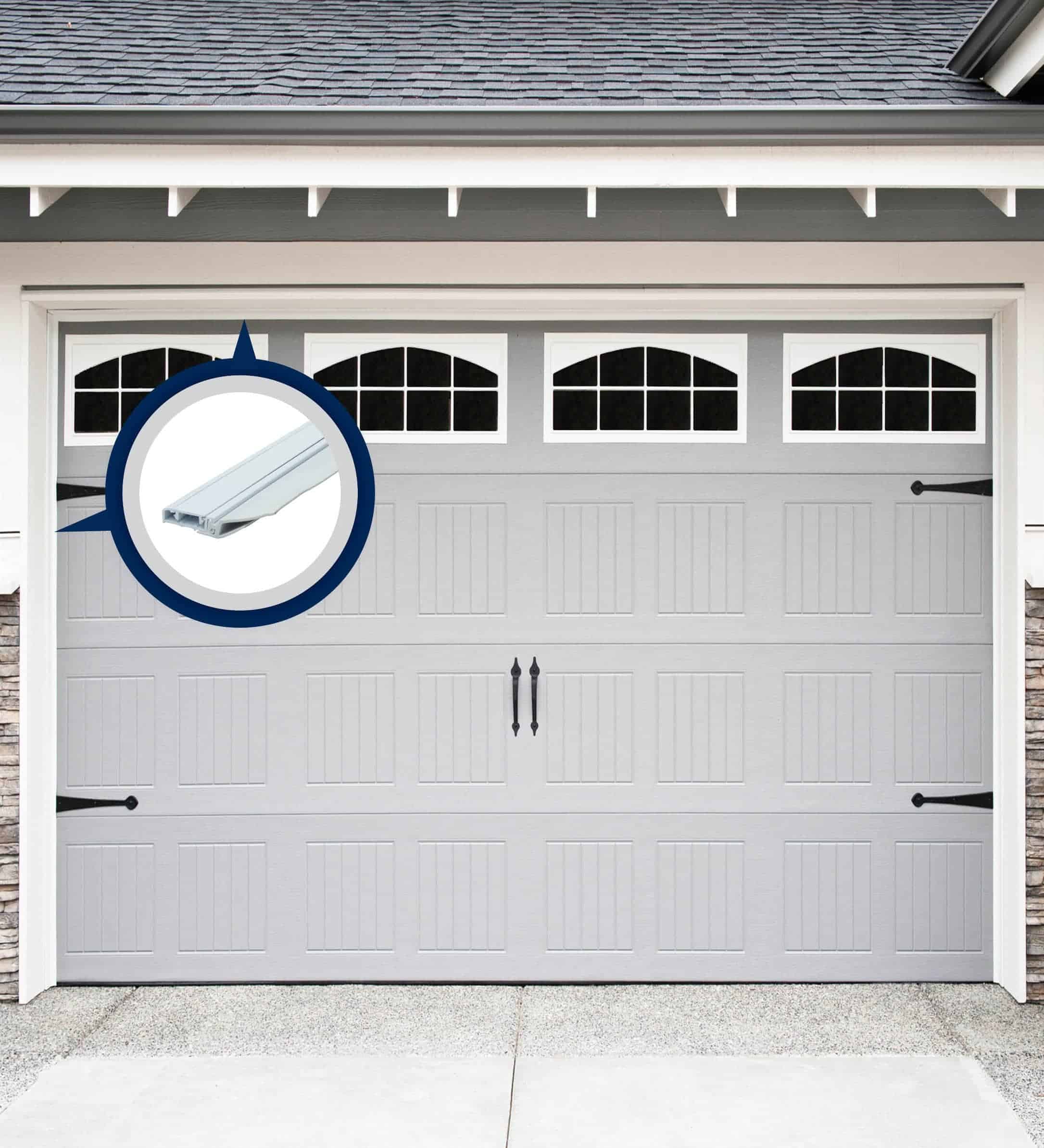
Seal Edges and Weatherstrip: Inspect and upgrade weatherstripping along the door’s bottom and sides; replace any cracked or worn pieces to prevent drafts and protect from moisture intrusion and ice buildup.
Essential Winter Prep Maintenance
Lubricate Moving Parts: Apply white lithium grease or silicone spray to springs, rollers, and hinges before temperatures drop. This guards against winter corrosion and ensures smooth operation on icy mornings.
Clear Snow and Ice: Regularly remove snow and ice buildup from the door’s perimeter and tracks. This prevents sensor errors and physical damage, keeping your garage safe for vehicles and family.
Pipe Protection: Since many garages have exposed water pipes, add insulation around pipes to prevent freezing and expensive repairs.
Pro Tips for Minnesota Winters
If the garage door still struggles, seems drafty, or remains noisy after DIY service, reach out to Topline Garage Door Co. for a professional inspection or heater-friendly upgrades like fully insulated garage doors and smart openers—especially important for energy savings in Minnesota neighborhoods.
A little proactive effort in early fall can make a big difference for garage comfort, safety, and savings during Minnesota’s toughest months.